Calgary’s winter driving has reached hazardous levels as Alberta saw 20 fatal collisions in December 2025, numbers more than twice the 9 deaths for the same month in 2024. The moment your vehicle gets stranded due to a mechanical failure in sub-zero temperatures, the next few minutes’ decisions can lead you to either a minor nuisance or a life-threatening situation.
Wintertime can also be the most dangerous for your vehicle, so this guide outlines exactly what to do if your Calgary car fails you on icy roads. If stranded on Deerfoot Trail during a chinook reversal, or stuck at a Park n Ride but half a mile from the wall, and about 20 cars are doing a complete stall after the storm, and it turns to ice, you’ll know how to insulate, protect yourself, and get help quickly.
Calgary winter breakdowns call for action, action that is smart, as the Alberta government is recording 20 fatal collisions. The post “Alberta recorded 20 fatal collisions in December 2025 alone, 200 double that of the previous year” appeared first on Aftermarket News. Here are the essential steps to take to ensure you remain safe: exit and move to safety in 3 minutes, call roadside assistance, and what NOT to do that endangers drivers.
Why Winter Breakdowns Are More Dangerous in Calgary
Through February 2026, Alberta RCMP had recorded 23 fatal collisions and 26 deaths in areas policed by RCMP, with more than 70 per cent of those attributed to bad weather and road conditions. These are not merely crash statistics fossilised into numbers; they are a cold, jolting reality of just how quickly a mechanical breakdown can become deadly when the temperature tumbles and the visibility closes.
We all know the hazards of winter breakdowns, but Calgary presents unique challenges. Snowfall averages 129 cm over a 54-day period, but the main threat is the varying temperatures. Then, in March 2026, Calgary was hit by a “major turnaround” back to winter with 10–20 cm of snow and overnight lows of -20°C: one day you’re slogging through slush; the next, every junction is a black-ice roundabout.
When you’re stuck, it makes it even more dangerous. Sitting in a broken-down car in a Calgary winter is not akin to a breakdown on a summer highway — here, your temperature can lead to frostbite in minutes. A heater in your car can get you warm — if your engine doesn’t freeze up first, or you don’t run out of gas. Even though you are dressed for the weather and it is -15°C, the wind chill on the Bow River can make it feel like -25°C, which speeds up hypothermia.
However, more important than all the other points, we have high-speed corridors running through Calgary, such as Deerfoot Trail, Stoney Trail, and the Bow River crossings, and a stalled vehicle in a travel lane is an immediate hazard. With poor visibility, other drivers may not see you, and those that do may not have enough time to change lanes to clear you safely.
Step 1: Seek Safety Right Away
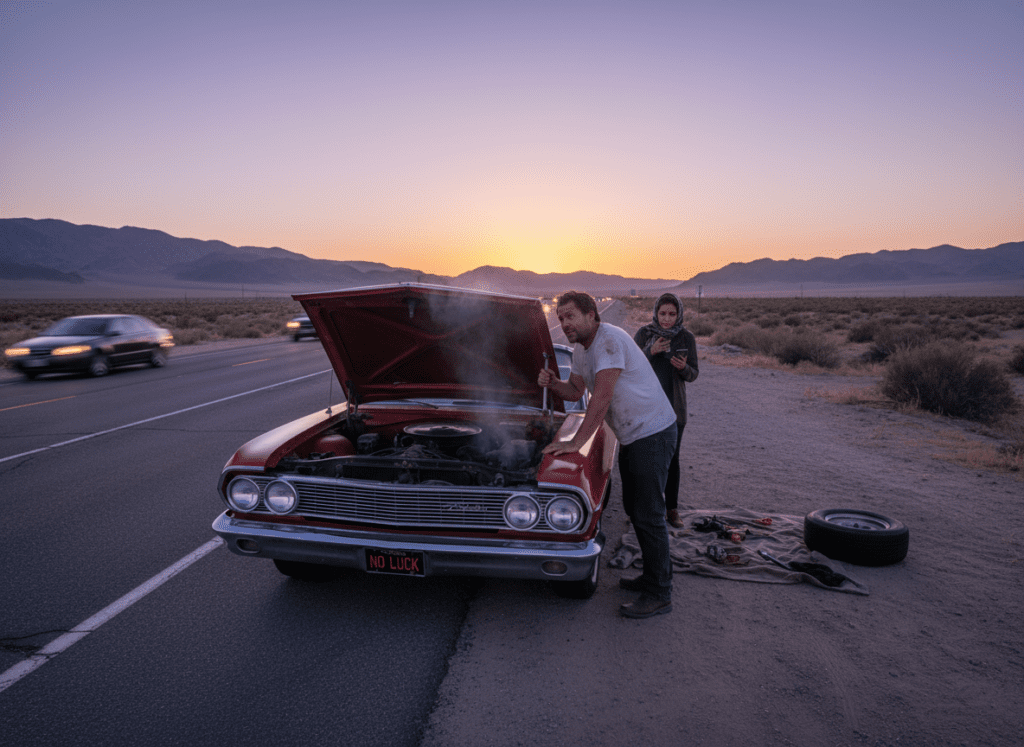
As a busy Calgary road, your priority number one should be to get yourself away to safety the moment you feel your car breaking down. According to industry safety experts, the “3-minute rule” is what you need to consider: “You have three minutes to exit your vehicle and to a safe distance, before your car, in a disabled condition, becomes a death trap.”
The shoulder is your go-to if on major Calgary corridors such as Deerfoot Trail, Memorial Drive or Crowchild Trail. If your car is still operable, even at a crawl, gingerly coast it as far onto the shoulder as you safely can. Put your hazard lights on immediately, no ifs, ands, or buts about it. Calgary’s winter weather can create limited visibility as snow or fog hampers a driver’s sightlines, leading other vehicles to miss your ride until they are right on top of it.
There’s a tougher choice if your car’s unable to go anywhere, and you’re in a lane of active traffic. If there is a risk of being struck, then never stay in your car for any reason. The Value Of Your Life Is More Than Any Car Get out of the passenger side (passenger side if you’re stopped on the left side of the road, or driver’s side on the right side) facing away from traffic, and get to the nearest safe location, behind a concrete barrier, up an embankment, or as far from the roadway as possible.
The risks in suburban streets and residential areas differ, but are no less severe. Hug so you stay by the nearest sidewalk or front yard. If you hopped in your car, I recognise you could find safer waiting areas in neighbourhoods like Auburn Bay, Sage Hill, or Coventry; however, during winter, you have to be able to provide birth as quickly as possible and when it’s feasible.
What to do immediately
- First, turn on the hazard lights.
- Exit at a safe distance away from the traffic flow
- Relocate to the nearest safe area behind a barricade, atop a slope or on a pavement.
- Do not call for help while inside the vehicle; call from your safe location.
Step 2: Request Professional Roadside Assistance
The next crucial step is to call for professional help once you reach a place of safety. Not every bit of it is on the same level, though, and knowing the different levels available can pay dividends in time — and potentially save your life, still, if your Calgary winter contents ever need to be attended to.
The average wait times for light service range from 23 to 186 minutes (depending on region and demand), according to CAA. Tow service averages 39-220 minutes. In Calgary, during blizzard conditions or a serious cold snap, these wait times can double. When you’re in -20°C temperatures, that becomes a dangerous situation really quickly, which is potentially hours.
Calgary-based tow truck services, such as Trusty Towing, respond sooner than national roadside assistance systems, especially for non-members or during peak hours. Calgary’s road network is second nature to us, and we can frequently dispatch the nearest available truck to you quicker than you could call a remote call centre.
Information to provide when calling
- Exact location
- Vehicle description
- What’s wrong
- Passengers: Total passengers that can fit along with the driver
- Any hazards
Step 3: Don’t get hurt while you wait
You’ve called for help. This is where it gets tough: the waiting. Waiting has its cost in the winter of Calgary, the difference between life and death.
It makes sense to be running your vehicle for heat, but it is very dangerous. Do not ever start your engine inside a garage or any enclosed space. It can even lead to carbon monoxide poisoning if snow seals around the exhaust pipes while you run your engine outdoors. Ensure your tailpipe is snow-free and crack a window open for ventilation.
Put on layers of clothing, despite being in an automobile. The wind chill in Calgary is nothing to mess around with. A breakdown can take hours, even with the heater switched on. Get in the car still wearing your winter coat, gloves, and hat.
When to call emergency services
Call emergency services if
- One person is now injured or in need of rescue.
- Danger, your car is in danger mode.
- You’re unable to stay warm.
- You feel unsafe
- There is fire or smoke.
Step #4: Identify Situations that Would Require Heavy-Duty Towing
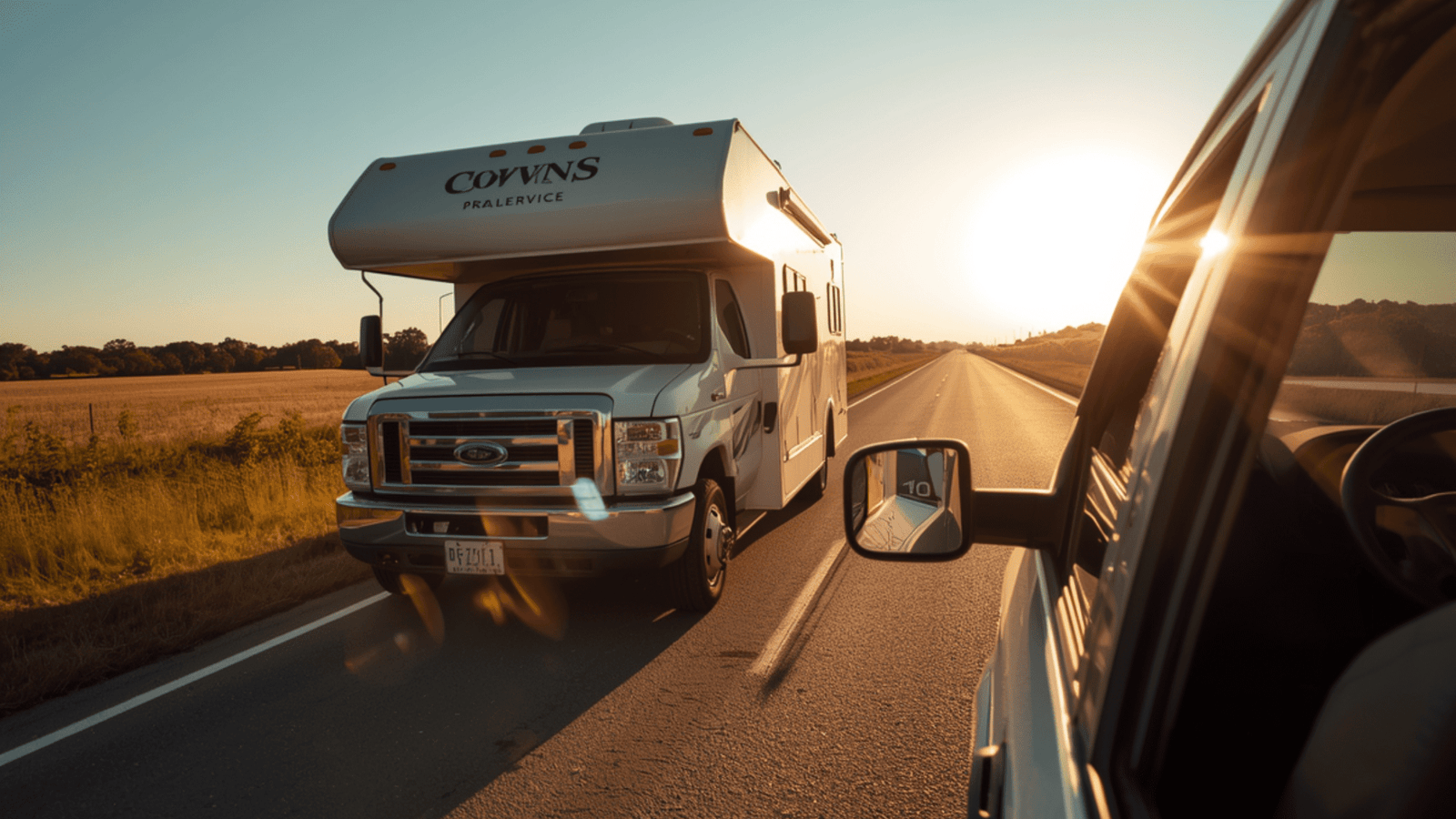
Not every breakdown is suitable for standard passenger vehicle towing. Heavy-duty towing is sometimes necessary when you have heavy utility vehicles and commercial vehicles on the roads in Calgary.
Standard tow trucks may lack the capacity to safely recover your vehicle if you are driving a box truck, delivery van, or utility vehicle when you break down.
Must-Have Winter Emergency Kit for Your Vehicle in Calgary
Must-have items
- Heavy winter clothing
- Gloves, boots, and a hat
- Emergency blanket
- Hand warmers
- Flashlight
- Phone charger
- Snacks and water
- Snow brush and ice scraper
- Traction aids
Recommended additions
- First aid kit
- Basic tools
- Jumper cables
- Reflective triangles
- Whistle
- Copies of documents
Frequently Asked Questions
How long do you wait on average for towing in Calgary
Wait times average between 39 and 220 minutes, depending on usage. In winter storms, waits can get long.
Is Roadside Assistance Included in Car Insurance
It’s important to note that many policies include roadside assistance, but the coverage levels vary.
Difference between a roadside emergency and a 911 call
If your safety is at risk, call 911 – or your local emergency number. For mechanical problems, call a roadside assistance.
Can I use my car phone charger while in the waiting time
Yes, but if the engine is off, it will use your battery.
Conclusion
While winter breakdowns are hazardous in Calgary, they should not be fatal.
- Get to safety immediately.
- Call for professional help.
- Stay prepared
Trusty Towing (for Assistance): (368) 889-6665 Locally owned, 24/7 service available, for Calgary and surrounding areas.
Save that number before you need it. Save it to your phone; however, when you find yourself alongside a chilly Calgary roadside, you may be glad you did.